
Artificial football turf offers a range of benefits, including low maintenance, durability, and the ability to withstand heavy usage and extreme weather conditions. However, like any other investment, artificial turf requires proper care to ensure it stays in top condition and performs optimally for many years. With the right maintenance practices, you can extend the lifespan of your football turf and ensure that it continues to provide a safe and high-performance surface for players.
In this blog, we’ll guide you through the essential steps for maintaining your artificial football turf and keeping it in excellent shape for long-term durability.
1. Regular Cleaning and Debris Removal
One of the simplest yet most important maintenance tasks for football turf is regular cleaning. Over time, dirt, leaves, twigs, and other debris can accumulate on the surface, affecting its appearance and performance. Regularly removing debris not only keeps your field looking clean but also prevents debris from obstructing the turf’s drainage system.
How to Clean:
Use a leaf blower or rake to remove leaves and large debris from the turf.
Sweep or brush the surface regularly to ensure the turf fibers stand up and debris doesn’t accumulate between them.
For smaller particles like dirt, you can use a high-pressure hose or vacuum designed for artificial turf to keep the surface clean.
By regularly removing debris, you’ll help maintain the turf’s aesthetic appeal and functionality.
Explore our cleaning and maintenance tips for artificial football turf at Football Turf.
2. Brush the Turf to Maintain the Pile Height
Over time, the artificial turf fibers can get compressed due to heavy usage, which can lead to a loss of the pile height (the height of the grass fibers). To prevent this, it’s essential to brush the turf regularly to lift and realign the fibers, ensuring that the surface remains smooth and consistent.
How to Brush:
Use a power brush or manual broom with stiff bristles to brush the turf fibers in a consistent pattern, going against the grain of the fibers.
Focus on the high-traffic areas where the turf is likely to get worn down more quickly.
Make sure to brush the entire surface evenly, especially after heavy use or adverse weather conditions.
Brushing the turf helps maintain its natural look and feel, ensuring that it remains safe and playable for years to come.
Learn more about turf brushing and maintenance at Football Turf.
3. Check and Top-Up the Infill Material
The infill material used in artificial football turf (such as rubber or sand) helps provide stability, cushioning, and proper drainage. Over time, especially in high-use areas, the infill can settle or get displaced. It's important to periodically check the infill levels and add more when necessary to maintain the turf’s performance.
How to Maintain the Infill:
Inspect the turf regularly, especially in areas with high foot traffic, to check if the infill has settled or been displaced.
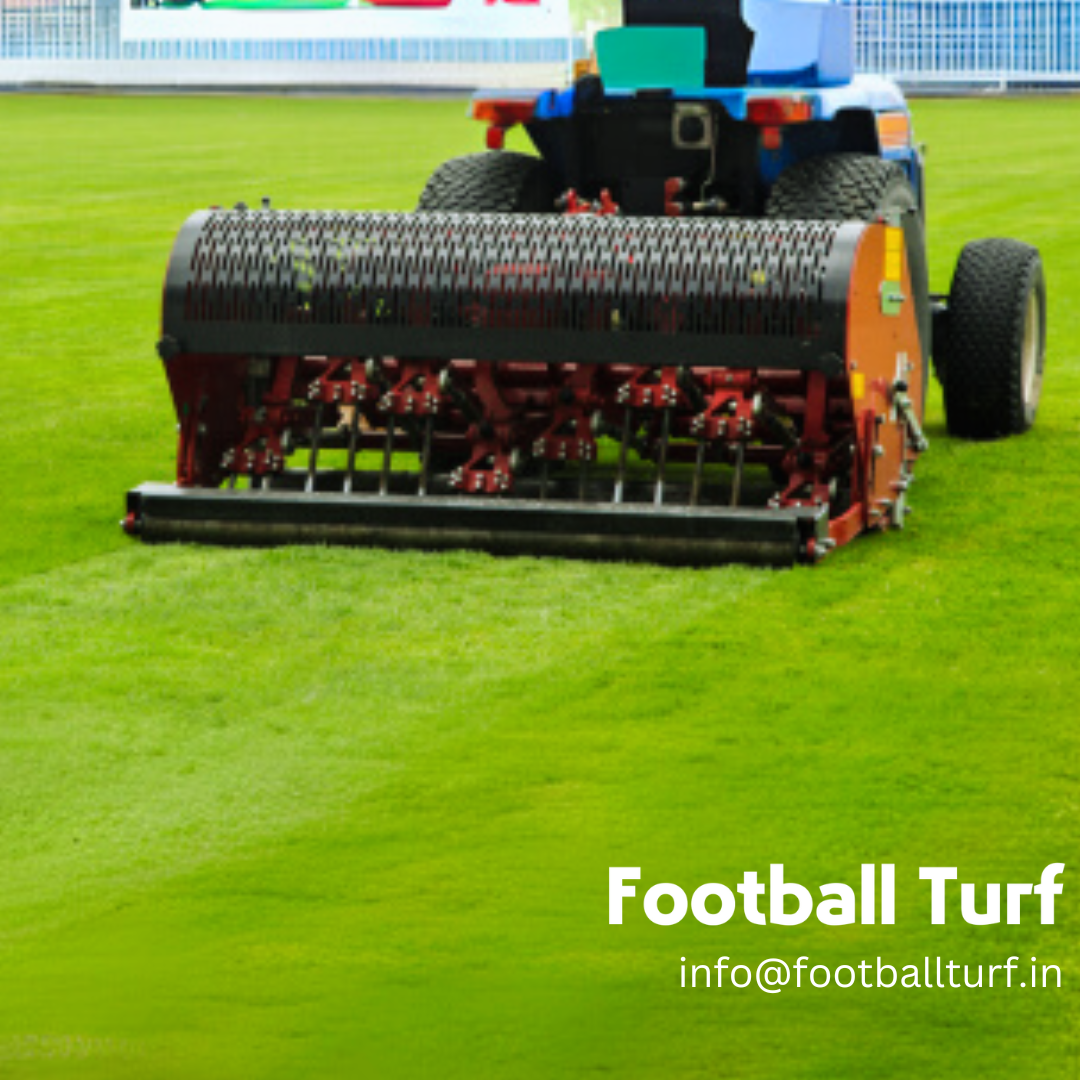
Use a spread rake or infilling machine to evenly distribute the infill material across the surface.
If needed, add fresh infill to maintain the proper depth and cushioning.
Proper infill maintenance ensures that your artificial turf remains comfortable for players and helps in preserving the surface’s shock absorption and ball performance.
Find out how to top-up the infill material at Football Turf.
4. Check the Drainage System
A key advantage of artificial football turf is its excellent drainage system that prevents water from pooling on the surface during rainy weather. However, over time, debris and dirt can clog the drainage holes, leading to waterlogging and surface degradation. It’s important to inspect and clean the drainage system regularly to maintain optimal performance.
How to Check and Maintain Drainage:
Inspect the turf after heavy rainfall to check for any water pooling.
If water is not draining properly, inspect the drainage holes and clear any debris or blockages.
Use a pressure washer to clear any accumulated dirt from the drainage channels.
By maintaining proper drainage, you ensure that your turf remains dry and playable, reducing the risk of water damage and prolonging its lifespan.
Learn more about maintaining drainage systems for artificial turf at Football Turf.
5. Repair Any Damage Immediately
Though artificial turf is designed to be durable, it can still suffer from wear and tear over time, especially in high-traffic areas. Whether it’s a loose seam, a torn fiber, or a patch of damage from sharp objects, it’s crucial to address any issues immediately to prevent further deterioration.
How to Repair Damage:
For minor damage, you can use a repair kit to fix small tears or cuts in the turf.
If there’s a larger area of damage, consider calling in a professional turf repair service to properly address the issue.
Regularly inspect the turf for signs of damage and repair them promptly to maintain the field's functionality.
Quick repairs help prevent small problems from becoming larger issues, ensuring your turf remains safe and functional.
Contact Football Turf for professional repair services.
6. Avoid Heavy Equipment and Sharp Objects
While artificial turf is designed to handle heavy use, it’s important to avoid subjecting it to unnecessary stress from heavy equipment or sharp objects. Equipment such as vehicles, machinery, or sharp tools can cause significant damage to the turf’s surface or drainage system.
How to Protect the Turf:
Avoid driving heavy vehicles or machinery directly on the turf.
Be mindful of sharp objects like cleats, tools, or equipment that could cause tears or punctures in the turf.
Use protective mats or walkways in areas that may be exposed to heavy equipment or traffic.
By limiting the exposure of your turf to potential sources of damage, you can ensure it stays in excellent condition for years to come.
Learn more about protecting your turf from damage at Football Turf.
7. Schedule Regular Professional Inspections
While regular maintenance can be done by your facility's staff, it's also important to have professional inspections at regular intervals. Experts can assess the condition of the turf, check for underlying issues that may not be visible, and offer advice on further maintenance or repairs.
Benefits of Professional Inspections:
Early identification of potential problems that could affect the longevity of the turf.
Expert advice on how to maintain or enhance the turf’s performance.
Assistance with large-scale repairs or infill adjustments.
Scheduling professional inspections ensures that your football turf continues to meet the high standards required for a safe and functional playing surface.
Schedule a professional turf inspection with Football Turf today.
Conclusion
Maintaining artificial football turf is essential for ensuring its long-term durability, safety, and high performance. By following these essential maintenance tips, such as regular cleaning, brushing, infill top-ups, and prompt repairs, you can keep your turf in top condition for many years. With minimal maintenance and the right care, artificial football turf can provide a reliable and safe playing surface for players while reducing long-term costs for sports organizations and facility owners.
For all your artificial turf maintenance needs, contact Football Turf today!










Write a comment ...