
Football has rapidly become one of the most popular sports in India, with millions of fans and players across the country. However, despite the growing interest, there remains a significant challenge when it comes to building and maintaining high-quality football grounds. Traditional natural grass fields often struggle with the heavy usage, extreme weather conditions, and high maintenance costs, which makes them less suitable for year-round play. In contrast, artificial football turf offers a sustainable, durable, and cost-effective alternative.
In this blog, we’ll explore why artificial turf is the future of football grounds in India, and how it is transforming the way football is played and enjoyed in the country.
1. Adaptability to Diverse Weather Conditions
India’s climate is diverse, with regions experiencing extreme heat, heavy rains, or even cold winters. Traditional natural grass fields often suffer under such varying conditions. During the monsoon season, natural grass fields can become waterlogged, turning into muddy, unusable surfaces. Conversely, during the dry months, natural grass can become brittle and uneven, causing injuries and an inconsistent playing experience.
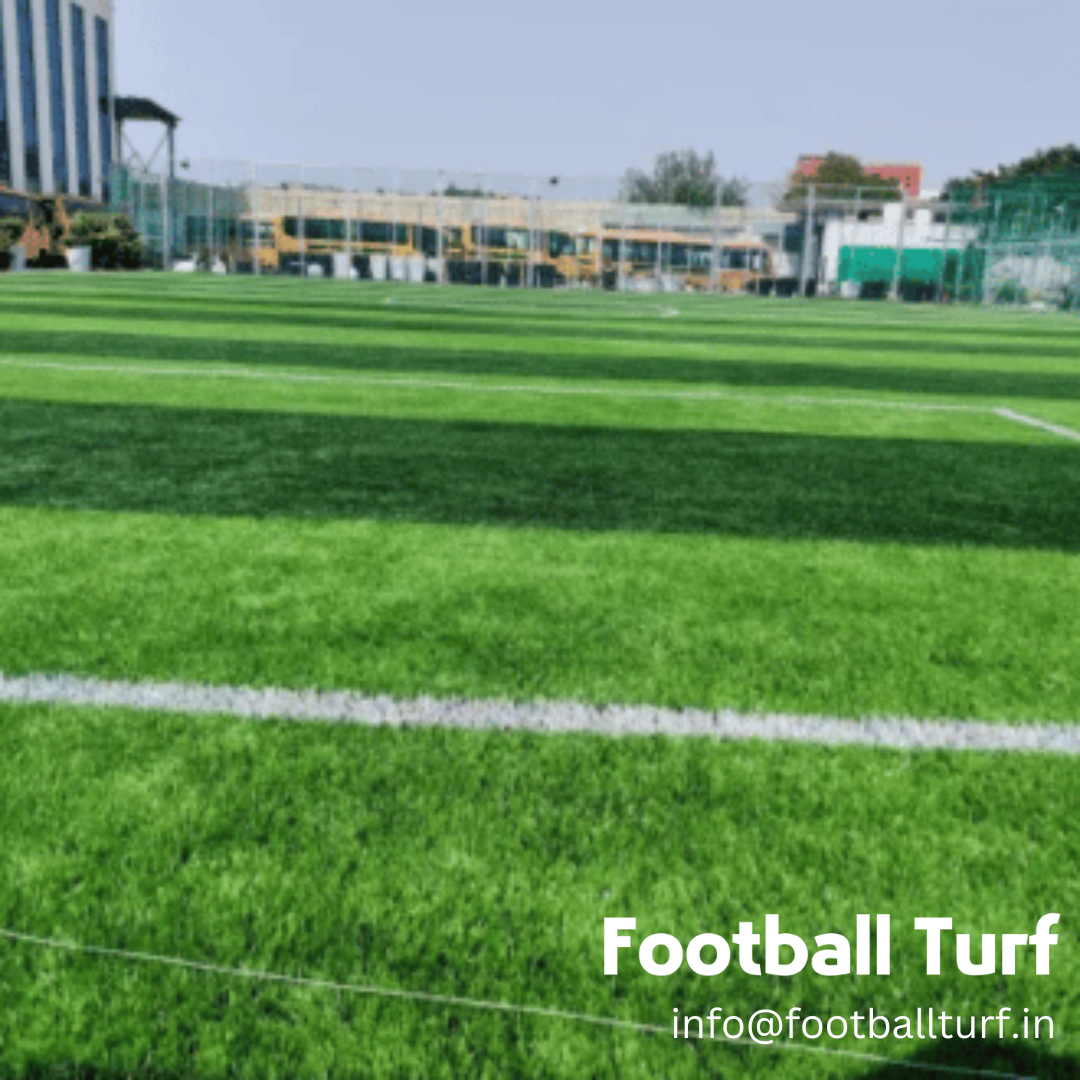
On the other hand, artificial football turf is designed to perform optimally regardless of weather conditions. The turf has excellent drainage capabilities, ensuring it remains dry and playable even after heavy rain. During the hot summer months, it retains its softness, offering players a safe and consistent surface. As a result, artificial turf fields can be used year-round, minimizing field closures and downtime.
With India's varying climate across regions, the ability of artificial turf to withstand the weather makes it an ideal solution for football grounds across the country.
Find out more about the weather-resistant benefits of artificial turf at Football Turf.
2. Reduced Maintenance Costs and Effort
Maintaining natural grass fields in India can be expensive and labor-intensive. Grass requires frequent watering, mowing, fertilizing, pest control, and reseeding, especially in regions with fluctuating weather conditions. Moreover, natural grass fields can quickly become damaged with high usage, resulting in significant repair costs and field downtime.
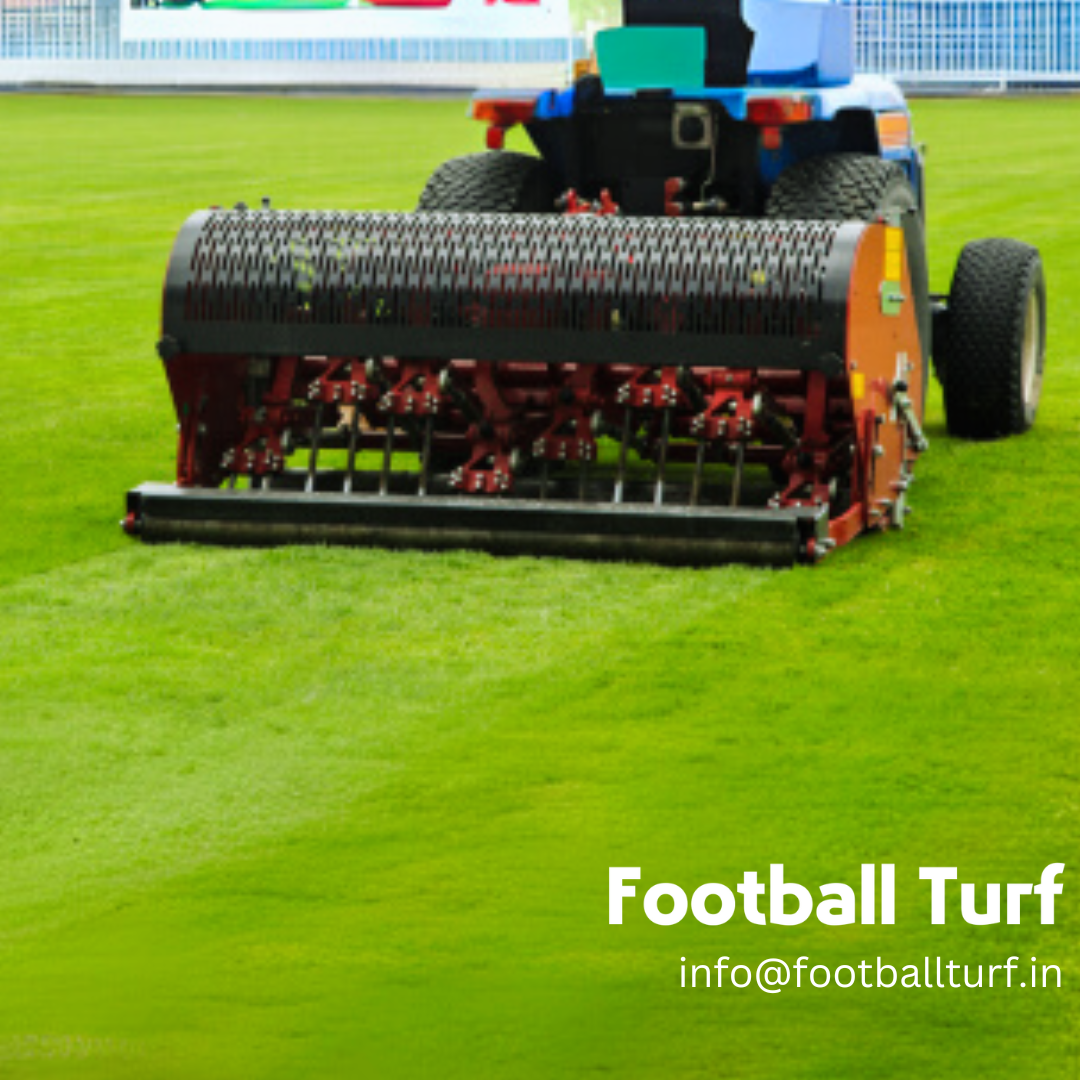
Artificial football turf, however, requires minimal maintenance. There’s no need for irrigation, mowing, or fertilizing. The primary maintenance task involves occasional cleaning and brushing to maintain the fibers and ensure proper drainage. This not only saves significant labor costs but also reduces water usage—an essential factor in a country facing water scarcity in many regions.
For sports organizations and stadium owners looking to minimize operational costs, artificial turf offers a clear financial advantage.
Explore the low-maintenance solutions of artificial football turf at Football Turf.
3. Durability and Longevity for Heavy Usage
In India, football grounds are often subjected to heavy foot traffic, with matches, training sessions, and local tournaments happening regularly. Natural grass fields can get worn out quickly under constant use, especially when there are no proper maintenance resources or time to rest the field.
Artificial football turf is designed to withstand continuous use without significant wear and tear. It’s highly durable, able to handle heavy foot traffic, frequent games, and even intense training sessions. A high-quality synthetic turf can last for 10 to 15 years, providing a long-term, reliable playing surface for both professional and amateur players.
This is particularly important in cities and towns across India where football is becoming increasingly popular, and the demand for quality fields is growing. The longevity of artificial turf means fewer repairs and less downtime, ensuring the field is always available for play.
See how artificial turf can handle heavy use in Indian football stadiums at Football Turf.
4. Improved Player Safety and Performance
Player safety is a top priority for any football field, and artificial turf is leading the way in this regard. Natural grass fields can become uneven, slippery, or muddy during rainy seasons, increasing the risk of injury. In comparison, artificial football turf is designed with a consistent, even surface that provides better traction and shock absorption, reducing the chances of slipping or twisting an ankle.
In addition to safety, artificial turf offers a superior playing experience, allowing players to maintain their footing and perform at their best. Modern synthetic grass mimics the feel of natural grass, giving players a natural ball bounce and a soft surface to play on, ensuring high performance throughout the game.
For clubs, schools, and sports facilities looking to provide a safe and professional-standard surface, artificial turf is an essential investment.
Discover how artificial football turf can enhance player performance and safety at Football Turf.
5. Sustainability and Environmental Benefits
In a country like India, where water scarcity is a growing concern, the environmental impact of maintaining natural grass fields cannot be ignored. Natural grass requires vast amounts of water to stay healthy, particularly during the dry months, making it an unsustainable option for many regions.
Artificial football turf, on the other hand, conserves water by eliminating the need for irrigation. Additionally, synthetic grass doesn’t require harmful chemicals like pesticides and fertilizers, which can contribute to soil degradation and pollution.
Many modern artificial turf systems are made from recyclable materials, offering an environmentally-friendly alternative to traditional grass. This sustainability is crucial for India, where natural resources are increasingly strained. By installing artificial turf, you can reduce water consumption and contribute to a greener future.
Learn more about the sustainability of artificial football turf at Football Turf.
6. Cost-Effective Long-Term Investment
While the initial cost of installing artificial football turf may be higher than laying natural grass, the long-term financial benefits make it a more cost-effective solution. When you factor in the savings from reduced maintenance, water conservation, and the avoidance of field repairs, artificial turf proves to be a more affordable option in the long run.
For football grounds that host frequent matches, tournaments, and training sessions, artificial turf can save significant amounts of money over its lifespan. Additionally, the long lifespan (10 to 15 years) and low maintenance costs ensure that sports organizations and stadium owners achieve high returns on their investment.
Given the growing popularity of football in India, artificial football turf provides a scalable, cost-effective solution for facilities that want to keep up with demand while maintaining a high-quality playing surface.
Get a free quote for artificial football turf installation at Football Turf.
7. Increased Accessibility and Availability
One of the challenges faced by football clubs, schools, and recreational centers in India is the limited availability of quality football fields. Natural grass fields can be closed for maintenance or damaged due to overuse, leaving players without access to a proper venue.
With artificial football turf, these fields can be used 24/7, ensuring that players always have a suitable place to train or compete. The durability and weather resistance of artificial turf mean that facilities can offer increased access to players and coaches, even during rainy seasons or after hours.
By installing artificial turf, you can increase the availability of your field and make football more accessible to the community.
Contact Football Turf to learn how you can increase field availability with artificial turf.
Conclusion
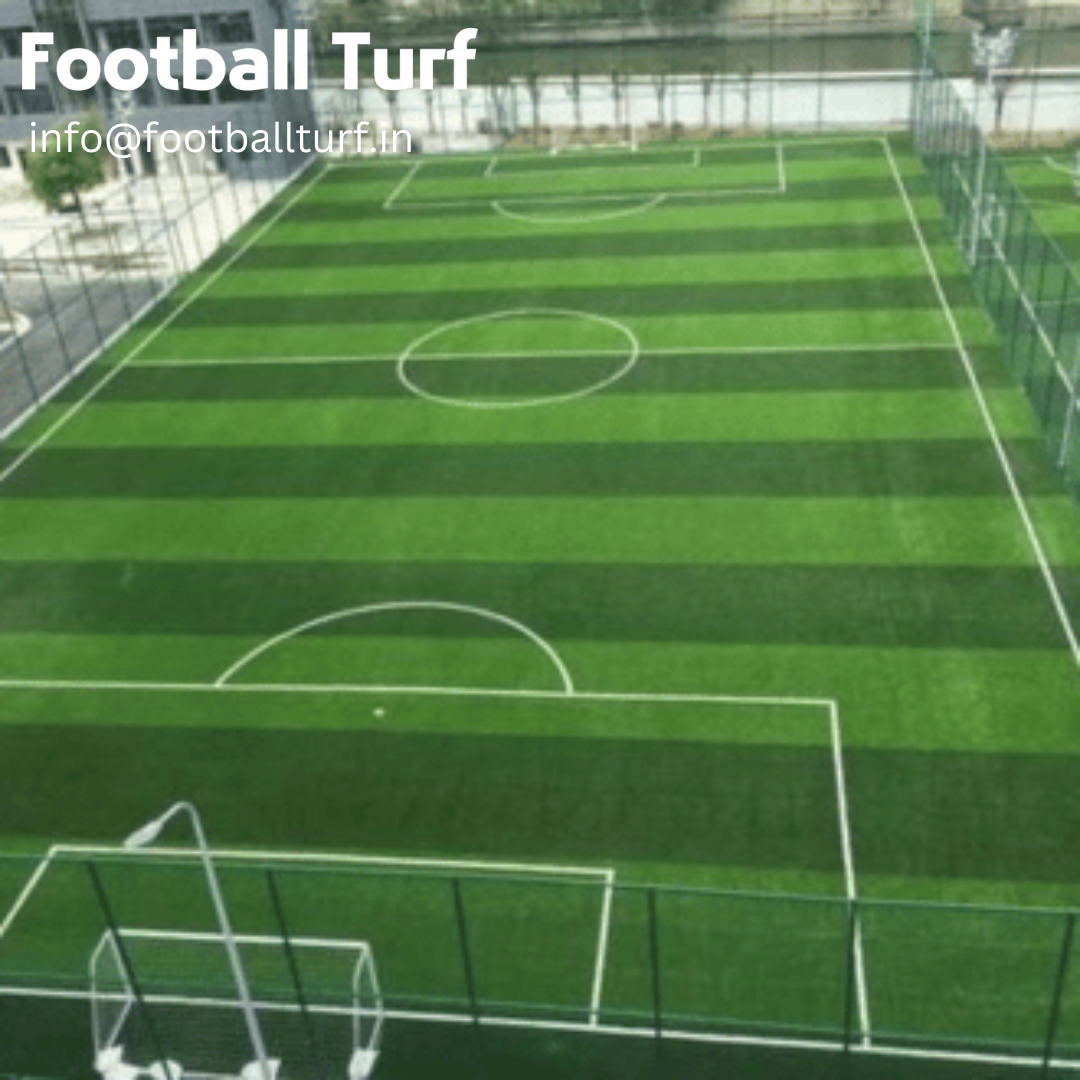
Artificial football turf is undoubtedly the future of football grounds in India, and its numerous benefits make it an ideal solution for the country’s growing football culture. From weather resistance and low maintenance costs to improved player safety and environmental sustainability, artificial turf is setting new standards for football fields across the nation.
For sports facilities, schools, and clubs looking to create high-quality, cost-effective football grounds that can handle heavy usage and provide a consistent playing surface, artificial turf offers a smart and reliable solution.










Write a comment ...