
When it comes to choosing the best surface for football fields, the debate often comes down to artificial turf vs natural grass. While natural grass has been the traditional choice for football grounds, artificial turf is quickly gaining popularity due to its many advantages. Let’s dive into a detailed football turf comparison to see which surface offers the best benefits for football fields.
1. Maintenance Requirements
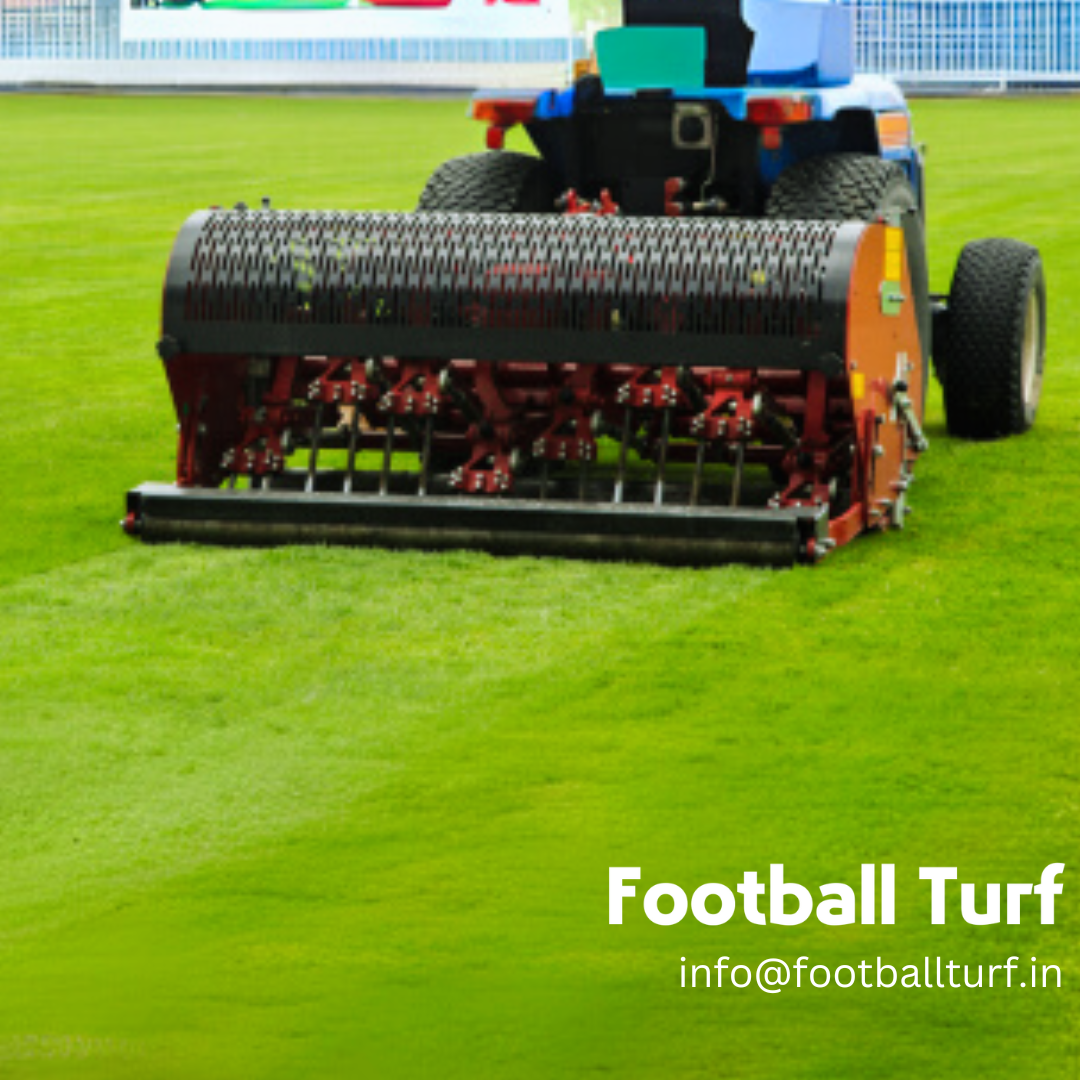
One of the biggest differences between artificial turf vs natural grass is maintenance. Natural grass requires regular mowing, watering, fertilizing, and pest control, all of which can add significant costs and time commitments. On the other hand, artificial turf requires minimal upkeep—just occasional brushing and cleaning. There’s no need for watering, mowing, or fertilizing, which results in lower long-term maintenance costs.
For football facility owners looking for a low-maintenance option, artificial turf is clearly the winner. For cost-effective football ground solutions, visit Football Turf, offering premium artificial turf installation services.
2. Durability and Longevity
Artificial turf has a clear advantage when it comes to durability. Natural grass can wear down quickly under heavy use, especially during bad weather or over the course of a busy season. It can develop patches, uneven surfaces, or even bald spots after just a few matches. Football turf, on the other hand, is engineered to withstand high foot traffic, extreme weather, and constant play without losing its quality.
If you’re looking for a football field surface that lasts, football turf is the better option for durability. To explore long-lasting football ground solutions, check out Football Turf.
3. Weather and Playability
Another area where artificial turf has the edge over natural grass is its ability to remain playable in all weather conditions. Natural grass becomes muddy and waterlogged after heavy rain, which can lead to field closures or disruptions in matches. Artificial turf is designed with excellent drainage capabilities, ensuring that water drains off the field quickly and that playability is maintained even in wet conditions.
For all-weather football grounds, football turf is the clear choice. Visit Football Turf to discover more about football ground solutions that perform in any weather.
4. Player Comfort and Safety
While natural grass is softer underfoot, artificial turf has made significant improvements in terms of player comfort and safety. Modern football turf systems feature advanced shock-absorption layers that help prevent injuries by cushioning falls. Additionally, artificial turf offers a more stable, even surface, reducing the risk of twists, sprains, and abrasions.
When it comes to player safety, artificial turf outperforms natural grass in many ways. For more information about safe and comfortable football turf installation, visit Football Turf.
5. Environmental Impact
Although artificial turf requires energy for production and installation, it has a lower environmental impact in terms of ongoing resource usage. Unlike natural grass, which requires constant watering and the use of fertilizers, artificial turf needs no water and uses fewer chemicals. Many artificial turf options are also made from recyclable materials, making them more sustainable in the long run.
For eco-friendly football ground solutions, consider artificial turf for its minimal environmental impact. Learn more at Football Turf.
Conclusion
When comparing artificial turf vs natural grass, the former emerges as the superior option for most football grounds. From reduced maintenance costs and long-lasting durability to all-weather usability and enhanced safety, artificial turf offers numerous benefits. If you’re ready to upgrade your football field, football turf is the future of football grounds.
For high-quality football turf installation, visit Football Turf, your one-stop solution for the best football ground solutions.










Write a comment ...