
In the world of search engine optimization (SEO), algorithms are the driving force behind how search engines rank websites and deliver results to users. Whether you are a seasoned marketer or a business owner looking to improve your website’s visibility, understanding SEO algorithms is crucial to staying ahead of the curve.
Search engines like Google, Bing, and Yahoo use complex algorithms to determine which web pages are most relevant and authoritative for a given search query. These algorithms are constantly evolving, with frequent updates to improve search results and provide users with more accurate, high-quality content.
In this blog post, we’ll break down everything you need to know about SEO algorithms, how they work, and why staying updated with these changes is essential for your SEO strategy in 2025 and beyond.
What is an SEO Algorithm?
An SEO algorithm is a set of rules and calculations used by search engines to rank web pages. These algorithms analyze various factors, including content relevance, page speed, backlinks, and user experience signals, to determine the position of a page on the search engine results pages (SERPs).
Search engines want to provide users with the most relevant and useful results, so they continually tweak and improve their algorithms. Google, for example, uses a combination of over 200 ranking factors to determine where a page should appear in search results.
At SEO Shapers, we keep up with the latest algorithm updates to help businesses optimize their websites and stay ahead of the competition.
Why SEO Algorithms Matter for Marketers?
SEO algorithms are vital to your marketing strategy for several reasons:
Determining Search Rankings: The ranking of your website on search engines is determined by how well it aligns with the criteria in the algorithm. A better understanding of algorithms can help you optimize your site to improve rankings.
Enhancing User Experience: Algorithms prioritize user experience by rewarding websites that load quickly, provide useful content, and are mobile-friendly. This means focusing on SEO best practices helps both your rankings and the overall user experience.
Adapting to Updates: Google regularly updates its algorithm (sometimes multiple times a year), and staying updated allows you to adjust your strategy accordingly to maintain or improve your rankings.
Driving Organic Traffic: Higher rankings result in increased organic traffic, which is free and more sustainable than paid advertising. Algorithms are designed to reward high-quality content and websites that follow SEO best practices.
Key Elements of SEO Algorithms
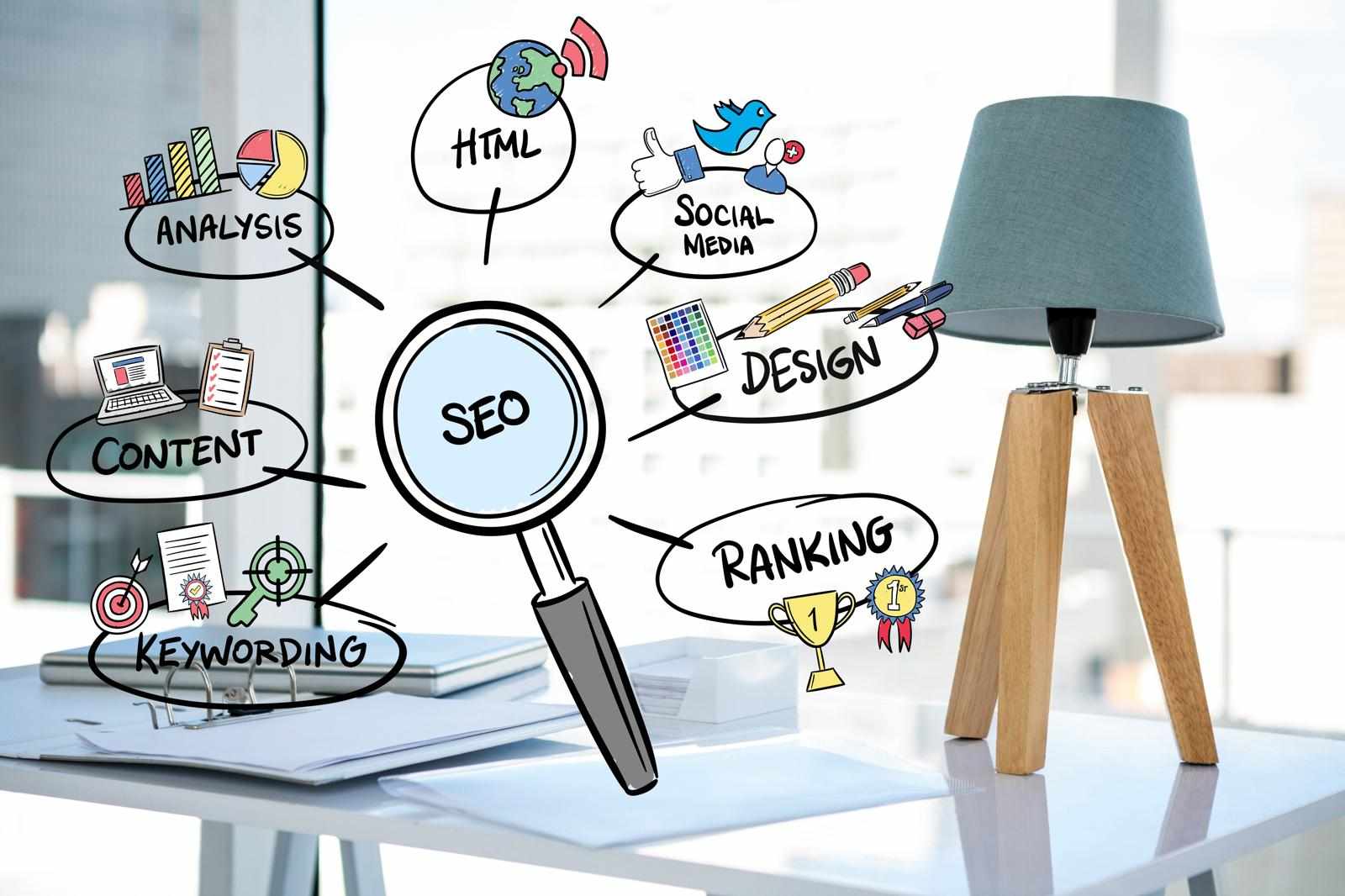
Search engines consider many different factors when determining how to rank pages, including:
Relevance of Content: The primary goal of any search engine is to serve users with the most relevant content based on their search query. This is why keyword optimization is still crucial to SEO. Content must align with the intent behind the search query (informational, transactional, or navigational). Keyword placement in headings, titles, and body text is still an important ranking factor.
Backlinks: Quality backlinks from reputable sites signal to search engines that your content is authoritative and trustworthy. Link-building remains a vital part of SEO, as search engines use backlinks to measure a site’s credibility and authority.
User Experience (UX): User experience signals like page load speed, mobile-friendliness, and ease of navigation play a key role in ranking. Search engines prioritize sites that offer a positive, seamless user experience.
Technical SEO: Search engines favor websites with well-structured code, clear navigation, proper header tags, and fast loading speeds. Websites that are easy to crawl and index have a better chance of ranking higher in search results.
Social Signals: Although Google has been secretive about how much social media impacts SEO, some experts believe that engagement metrics (likes, shares, and comments) from social platforms can influence rankings. While social signals are not as important as backlinks, they still play a role in your overall SEO strategy.
Freshness of Content: Search engines prioritize new and updated content. Regularly publishing high-quality blog posts, articles, or news releases can improve your website's authority and ranking.
Mobile-First Indexing: Google switched to mobile-first indexing, meaning the mobile version of your website is now considered the primary version for ranking purposes. Ensuring your site is mobile-friendly is critical for SEO success.
Major Google Algorithm Updates Every Marketer Should Know
Google’s algorithm updates are among the most significant in the SEO world, as they directly impact how websites are ranked. Let’s take a look at some key updates that marketers should be aware of:
1. Google Panda (2011)
Google Panda targeted low-quality, thin, or duplicate content and aimed to improve the overall quality of search results. Websites with poor content or over-optimized pages were penalized.
Impact on SEO: Focus on providing high-quality, original, and relevant content to avoid penalties. Avoid keyword stuffing and duplicate content.
2. Google Penguin (2012)
Google Penguin focused on penalizing websites with manipulative link-building practices, such as using low-quality or spammy backlinks.
Impact on SEO: Build high-quality, relevant backlinks and avoid black-hat link-building tactics like buying links or using link farms.
3. Google Hummingbird (2013)
Hummingbird introduced semantic search, which focused on understanding the meaning behind search queries rather than just matching keywords. It also introduced conversational search, improving the handling of long-tail queries.
Impact on SEO: Marketers should focus on natural language and user intent rather than just keyword optimization. The goal is to write content that answers the user's query in a comprehensive and conversational manner.
4. RankBrain (2015)
RankBrain, a part of Google’s core algorithm, uses machine learning to improve how search results are ranked. It helps Google better understand the context and intent behind search queries.
Impact on SEO: Focus on high-quality content that addresses user intent. RankBrain favors content that’s informative, engaging, and relevant to what users are searching for.
5. Mobile-First Indexing (2018)
With the shift to mobile-first indexing, Google began using the mobile version of websites to determine rankings. This was a major change, as many websites were previously ranked based on their desktop versions.
Impact on SEO: Ensure your website is mobile-friendly. It’s crucial that your site is responsive and offers an excellent experience on all devices.
6. Google Core Web Vitals (2021)
Core Web Vitals introduced a set of user experience metrics that focus on page speed, interactivity, and visual stability. These factors became ranking signals for websites in search results.
Impact on SEO: Optimize for site speed, page load times, and visual stability. Tools like Google PageSpeed Insights can help measure and improve these factors.
7. Helpful Content Update (2022)
The helpful content update was designed to penalize websites with content that was written primarily for search engines rather than for users. Google now focuses on promoting content that’s helpful and created by real people, for real people.
Impact on SEO: Create user-focused content that answers questions, provides value, and is written for your audience. Avoid content that’s designed to manipulate rankings without providing meaningful information.
How to Adapt to SEO Algorithm Changes
SEO algorithms are constantly evolving, but there are several key strategies that can help you stay ahead of the game:
Focus on User Intent: Understand what users are searching for and create content that answers their questions. Align your content with search intent—informational, transactional, or navigational.
Create High-Quality Content: Consistently publish valuable, original, and engaging content. Focus on quality over quantity, and aim to solve the problems your audience is facing.
Stay Up-to-Date: SEO is always changing. Keep up with the latest algorithm updates by following reputable SEO blogs, attending webinars, and monitoring industry news.
Mobile Optimization: Ensure that your website is mobile-friendly and offers a seamless experience on all devices. Test your site with tools like Google’s Mobile-Friendly Test to ensure it's optimized.
Improve User Experience: Focus on improving site speed, navigation, and interactivity to ensure users stay on your site longer and engage more with your content.
Monitor Your SEO Performance: Use tools like Google Analytics and Google Search Console to track your performance, identify areas for improvement, and make adjustments as necessary.
Conclusion: Stay Ahead of SEO Algorithms in 2025
Understanding SEO algorithms and how they work is essential for marketers in 2025. By staying up-to-date with algorithm changes and adapting your strategy accordingly, you can improve your website’s rankings, drive more organic traffic, and enhance user experience.
At SEO Shapers, we specialize in keeping up with the latest SEO trends and algorithm updates to help businesses achieve long-term success. Our team can help you implement an SEO strategy that works for your website and aligns with the latest algorithm changes.











Write a comment ...